Machine Quality

BAIJIA consistently prioritizes quality, ensuring customer satisfaction and peace of mind.

Machine Quality

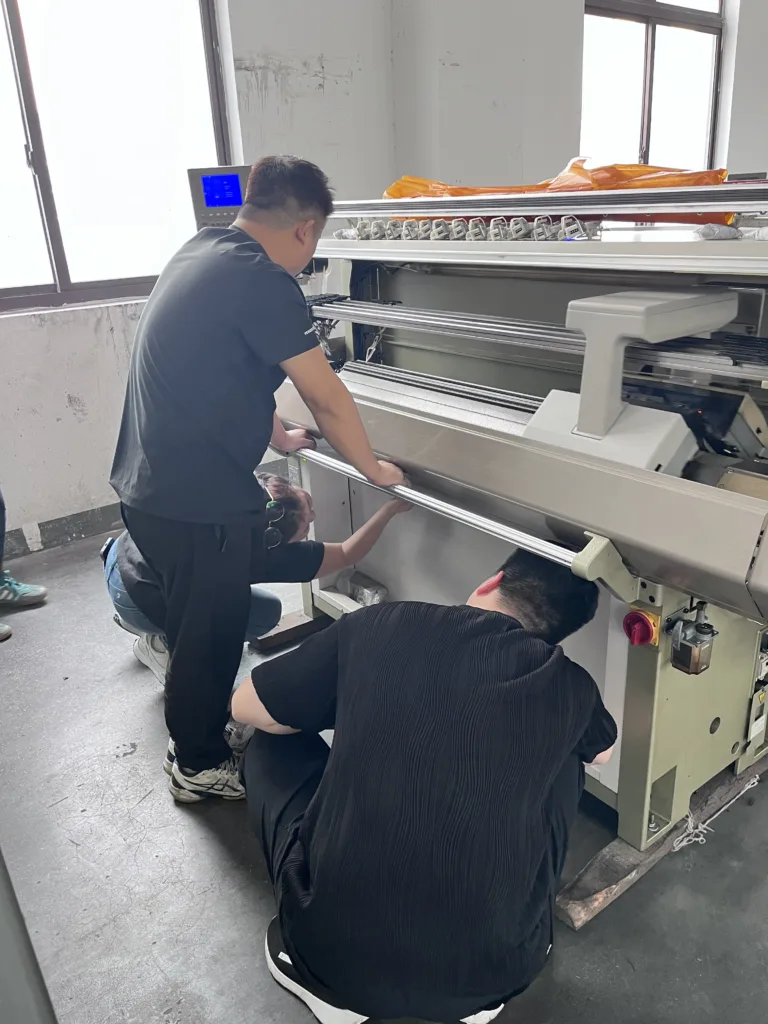
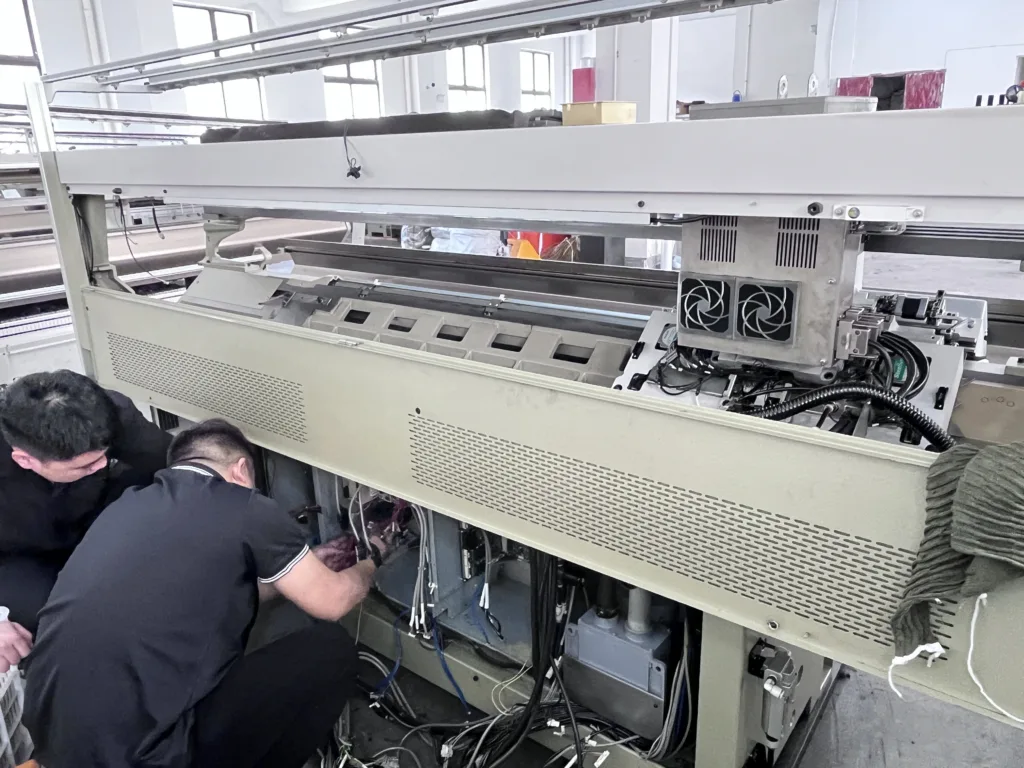
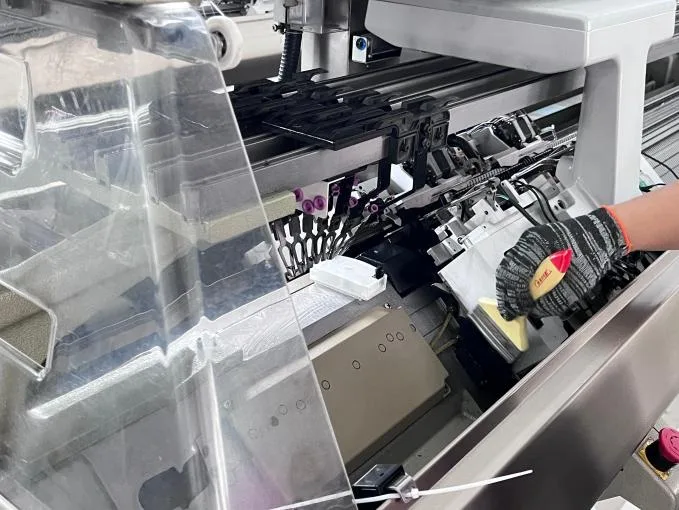
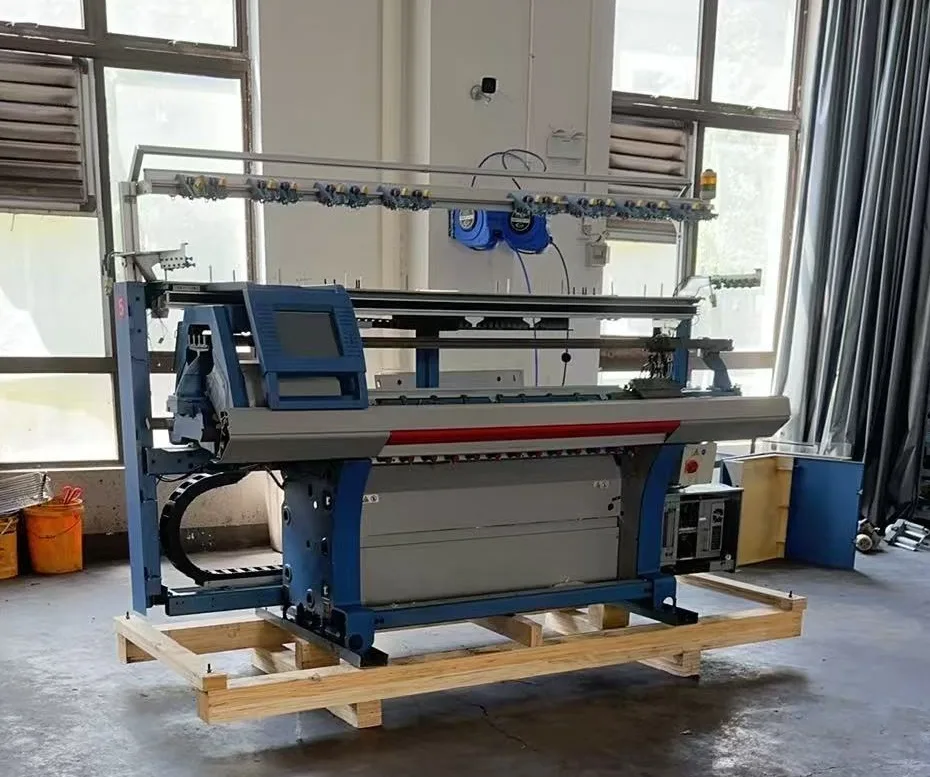
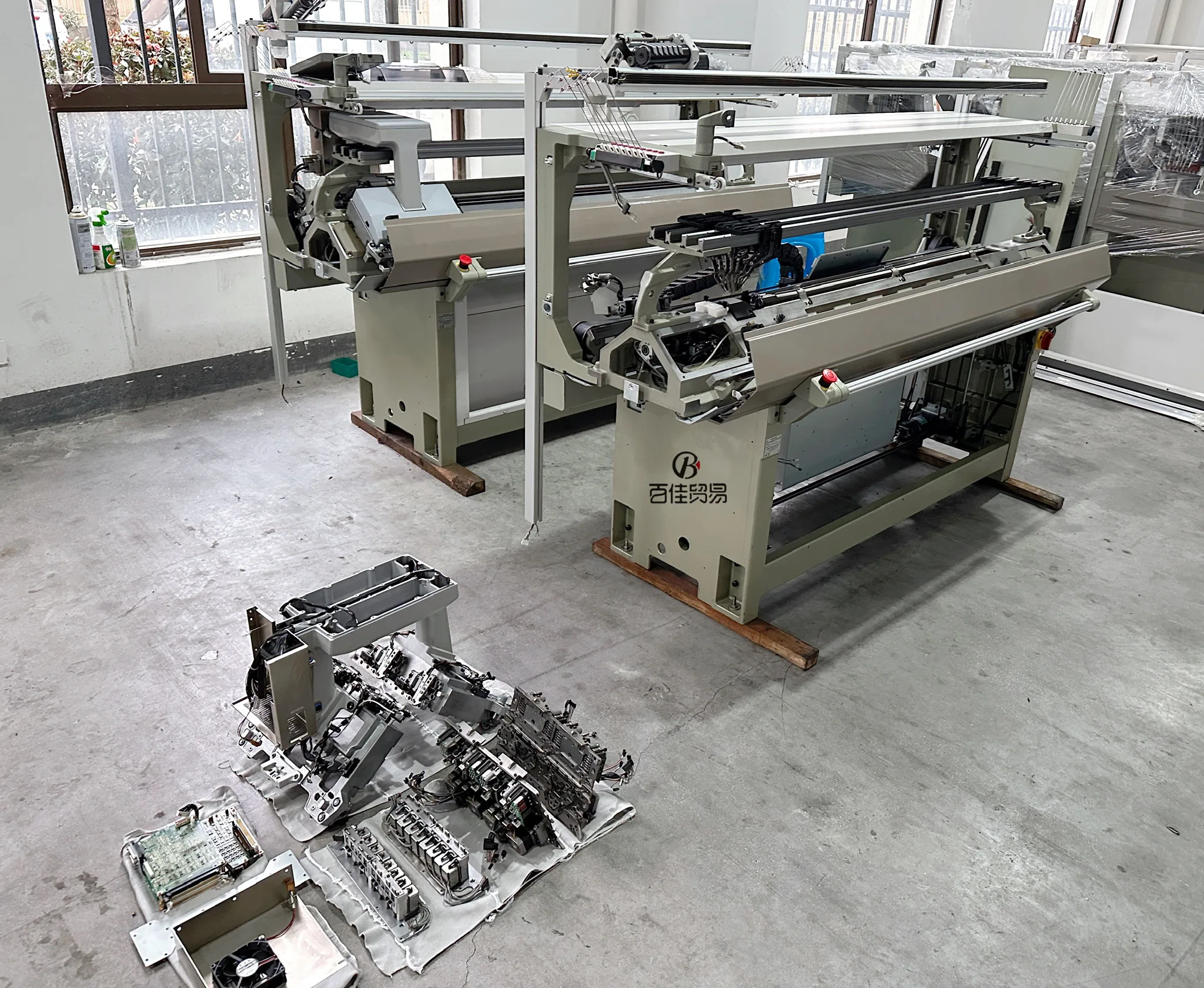
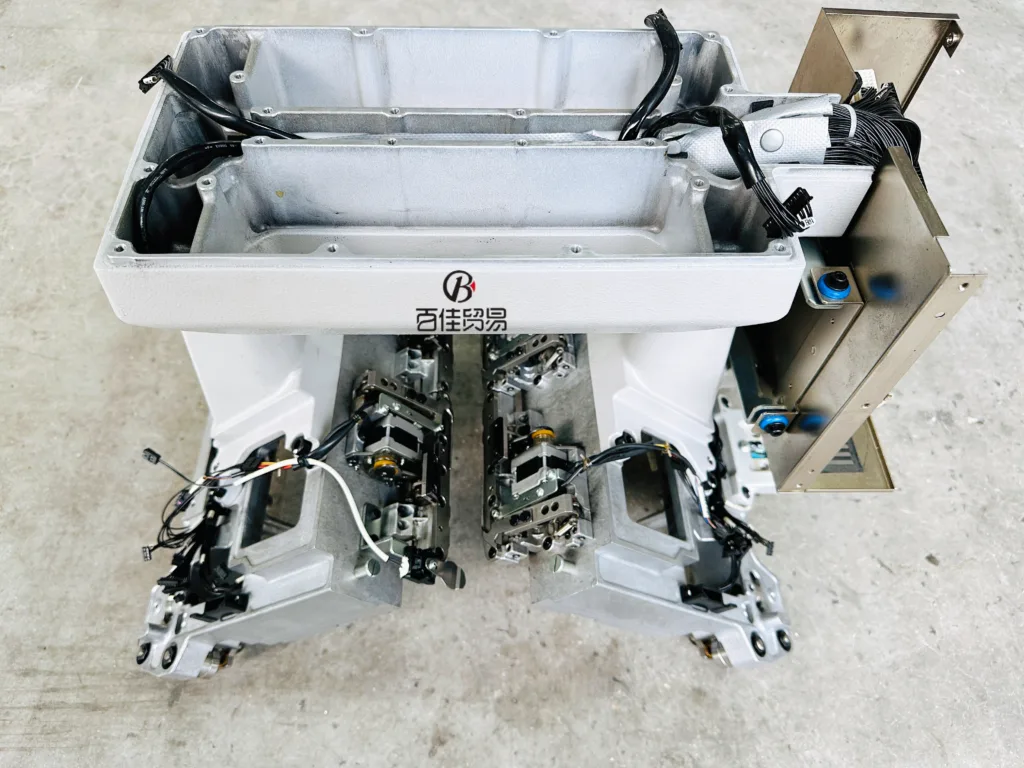
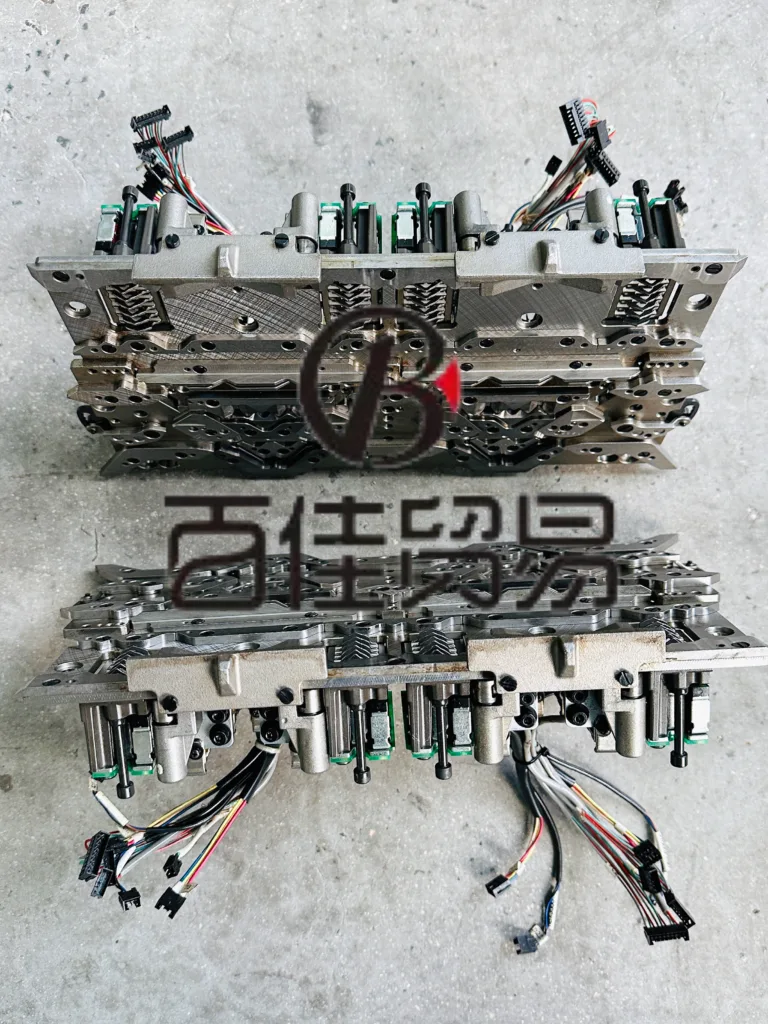
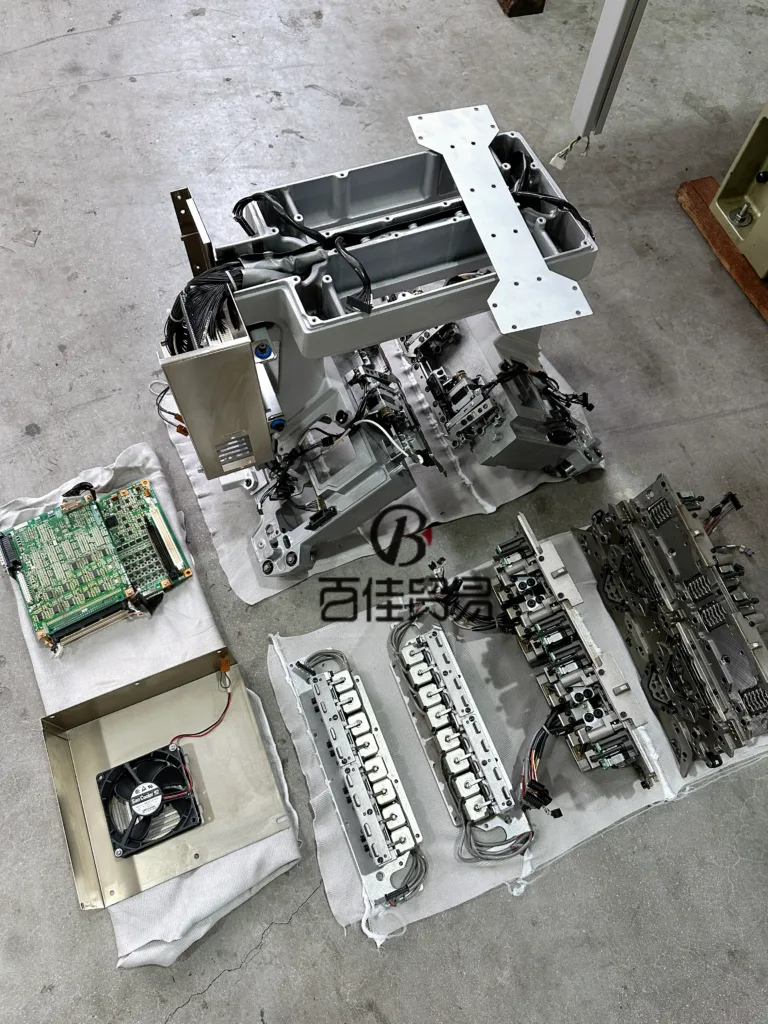
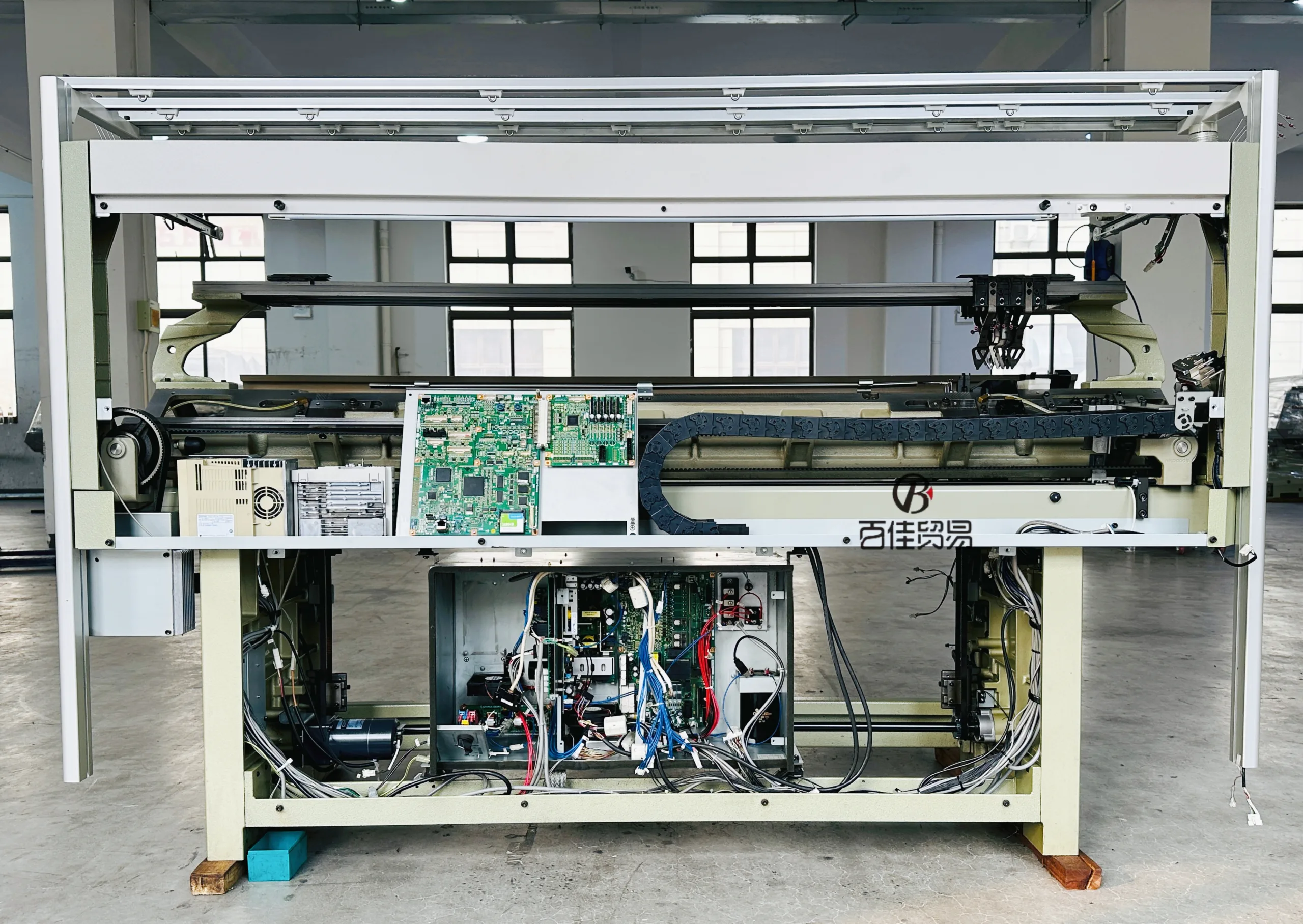
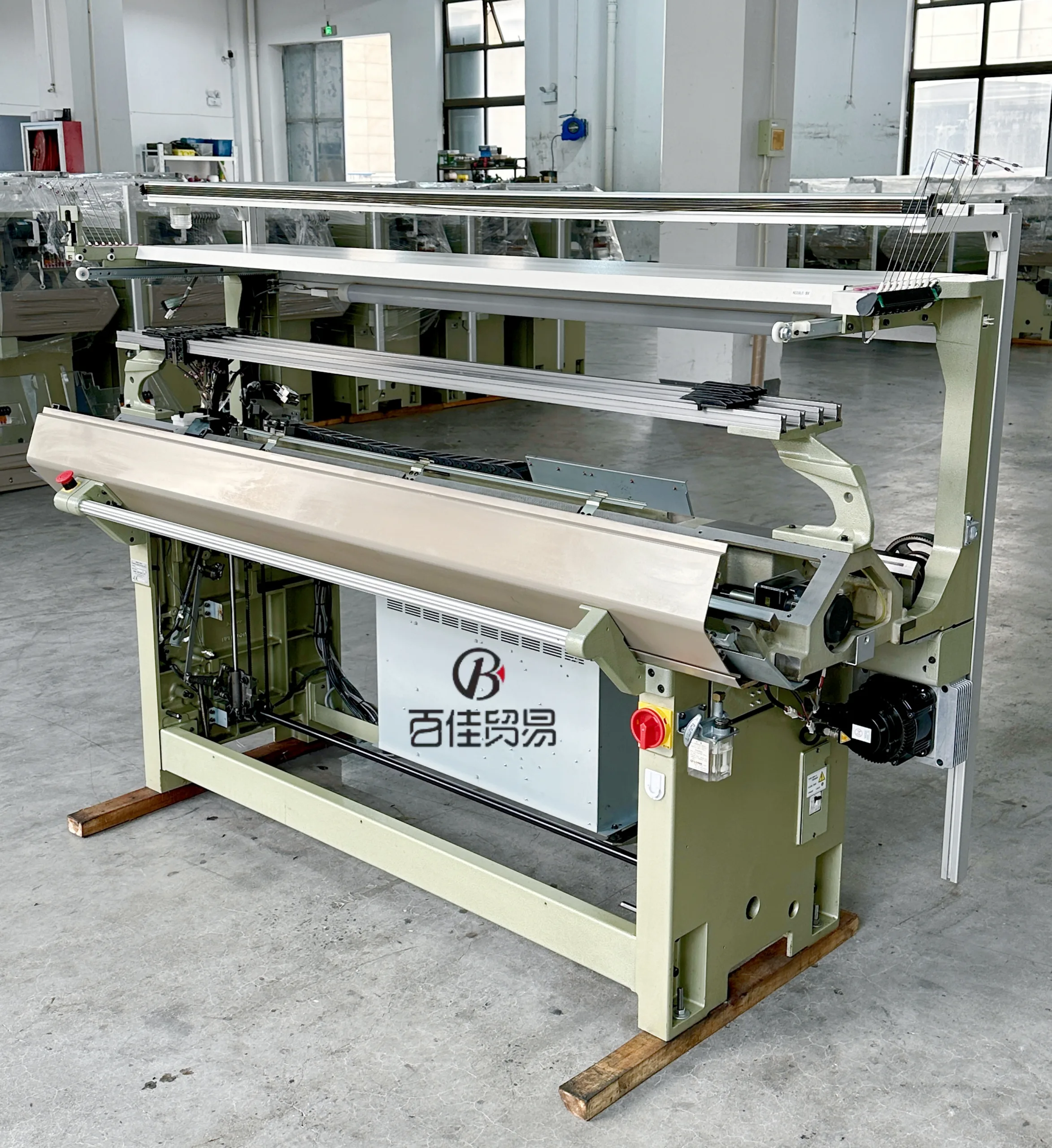
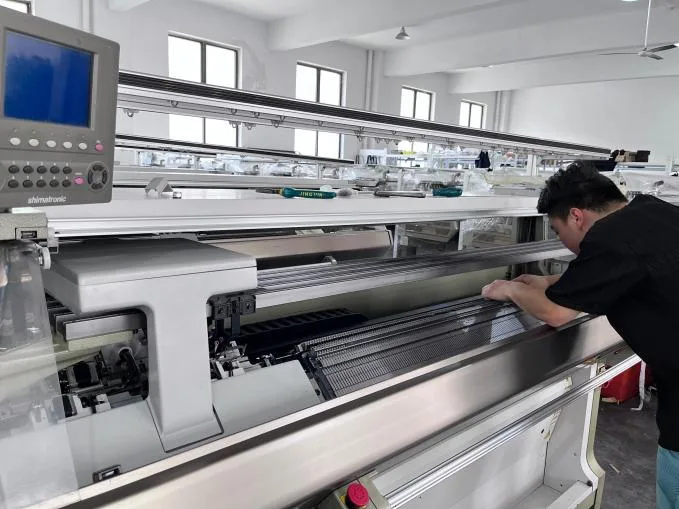
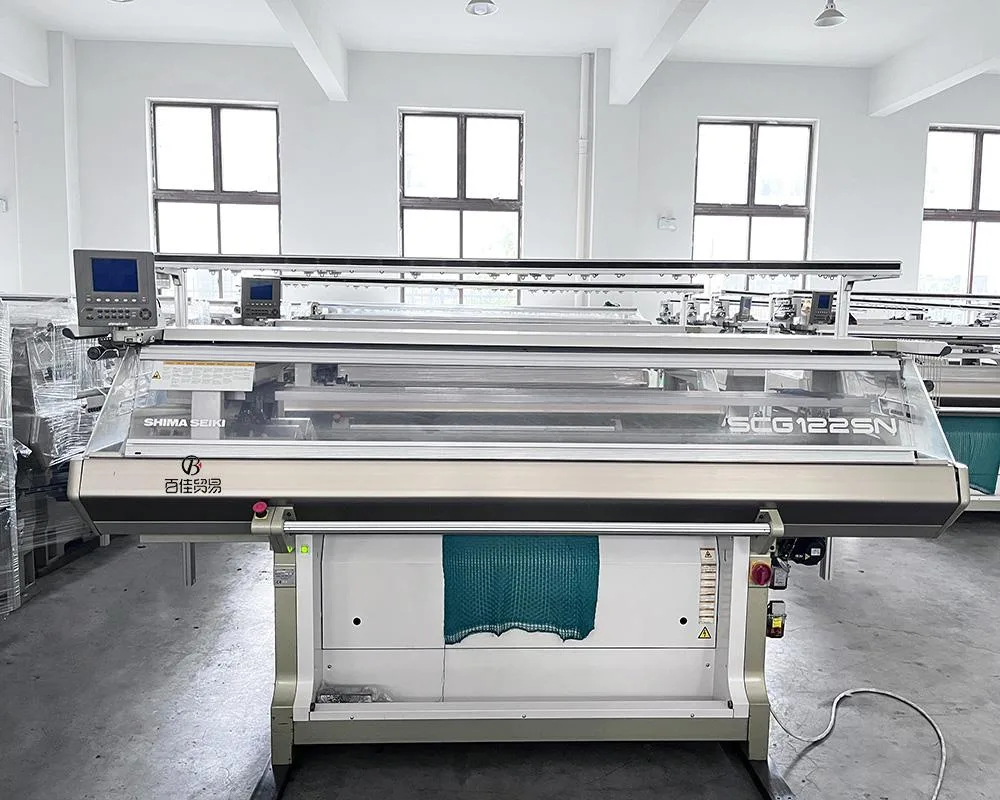
For used knitting machines, we adhere to extremely stringent standards for comprehensive refurbishment and systematic maintenance. Each machine undergoes thorough disassembly, component replacement, precision calibration, and repeated performance testing. We pay attention to every detail, striving to completely eliminate all potential problems. Our rigorous quality control system ensures that each machine operates with near-new precision and stability, providing durable, energy-efficient refurbished equipment trusted by knitting manufacturers worldwide.

Customers often express great appreciation for the machine’s details and quality upon receiving it; this is our most anticipated and happiest moment.

How to refurbish a machine?

Phase 1: Preliminary Assessment and Testing

· Professional team configuration

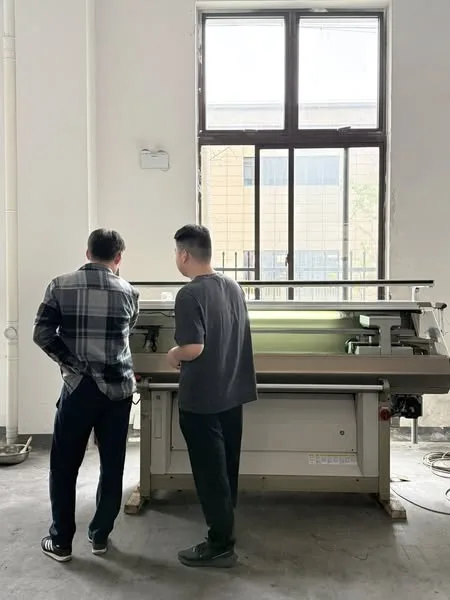
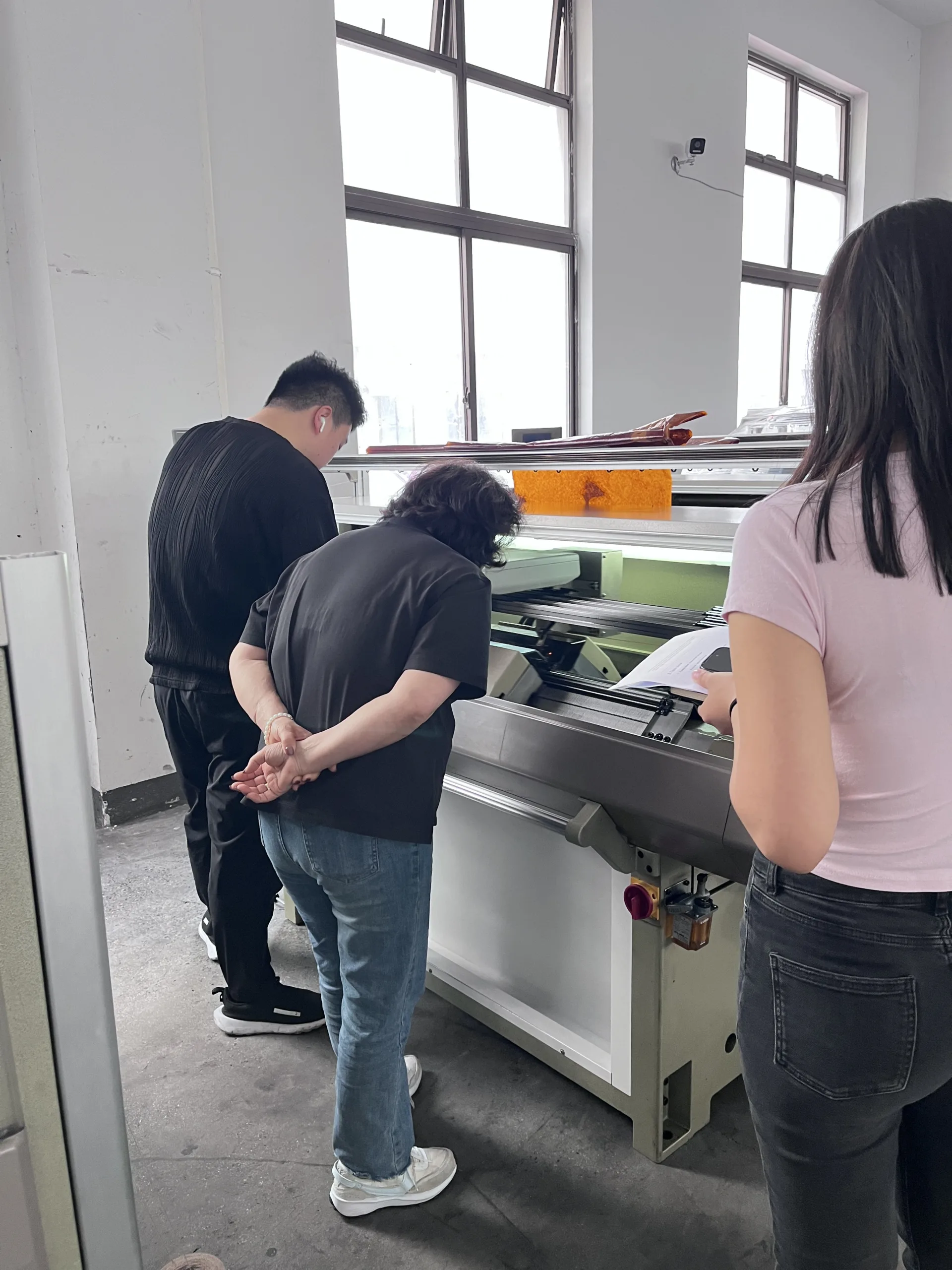
An evaluation team consisting of two technicians with more than 10 years of experience will conduct comprehensive testing.

· 360° detection range

Covering the exterior, mechanical systems, and electrical systems to ensure a thorough investigation of potential problems

· Mechanical system testing

Conduct a thorough inspection of key mechanical components such as the needle bed, rollers, and sinkers to assess their operational status.

· Electrical system testing

Inspect electrical components for aging, poor contact, and other issues to ensure the stability of the circuit system.

· Output of test results

Clearly identifying repairable and replacement parts provides an accurate basis for subsequent refurbishment and maintenance.

Phase 2: Disassembly and Deep Cleaning

Standardized disassembly process

The machine is disassembled according to the "part numbering rules" and each part is labeled with a unique number to ensure accurate reassembly.

Categorized cleaning

Metal Parts Cleaning Process: A combination of high-pressure cleaning and ultrasonic cleaning is used to thoroughly remove oil, rust, and other impurities from metal parts.

Electrical Components Cleaning Process: After dust removal with a high-pressure air gun, a specialized cleaning agent is used to wipe the components, ensuring stable performance.

Plastic Parts Cleaning: A neutral cleaning agent is used to wipe plastic parts to avoid damage from chemicals.

Cleaning Acceptance Standards

Cleaned parts must be free of oil, rust, and impurities to ensure they meet subsequent maintenance standards.

Phase 3: Core Component Maintenance - Mechanical Components

Needle bed maintenance and needle replacement

The needle bed is thoroughly cleaned using professional equipment, and original knitting needles are replaced to ensure knitting accuracy

Roller Rubber sheet replacement and tension calibration

Replace the roller rubber with a high-performance one and precisely calibrate the tension to ensure stable yarn tension and improve weaving quality.

Belt replacement ensures operation

Replace aging belts promptly to reduce machine malfunctions and ensure efficient and stable machine operation.

Core component inspection and replacement
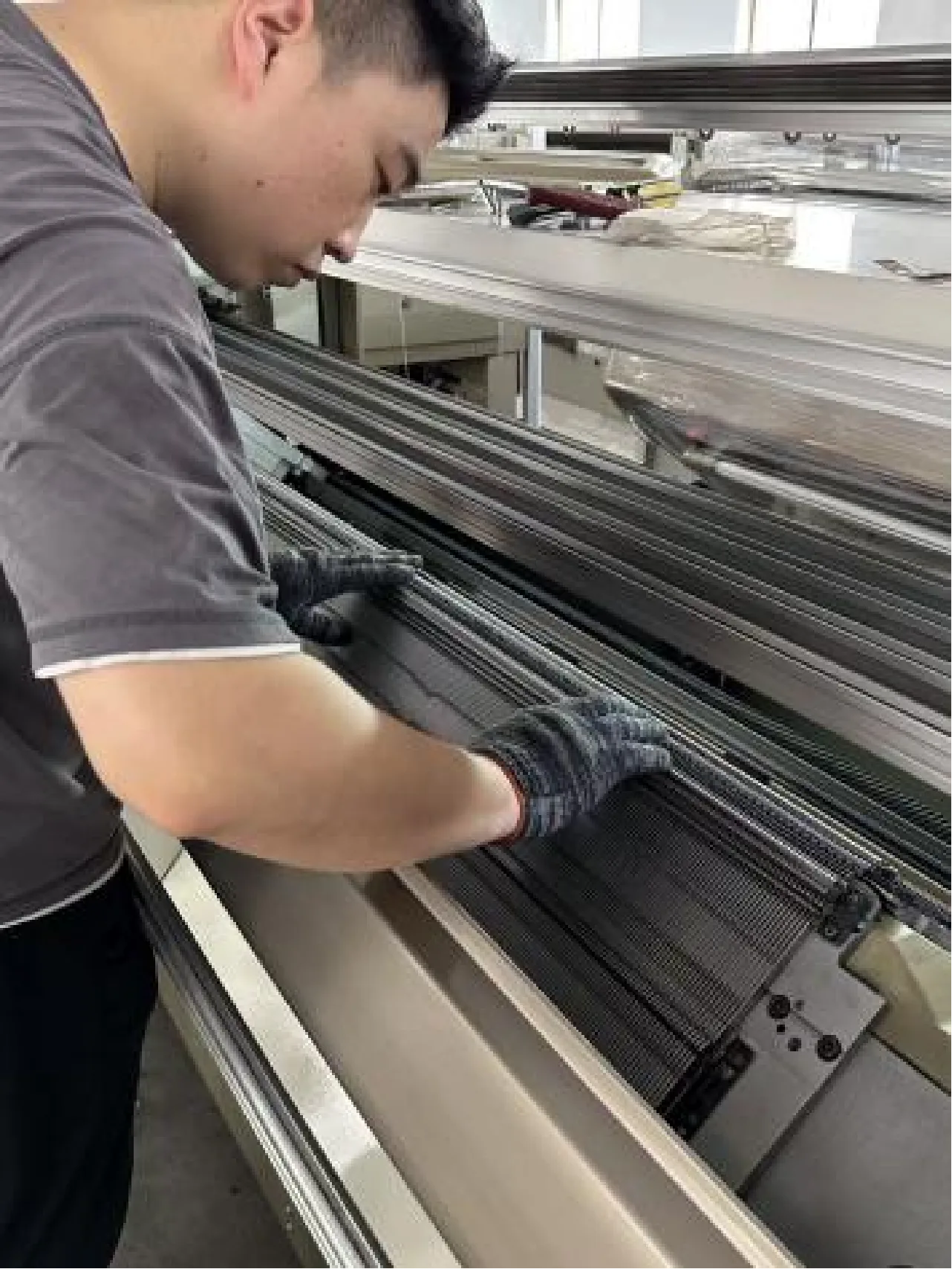
Each component of the machine and its head is inspected individually. Aging needle selectors, solenoid, and worn cams are replaced to restore the normal function of the components.

Phase 4: Machine Exterior Refurbishment
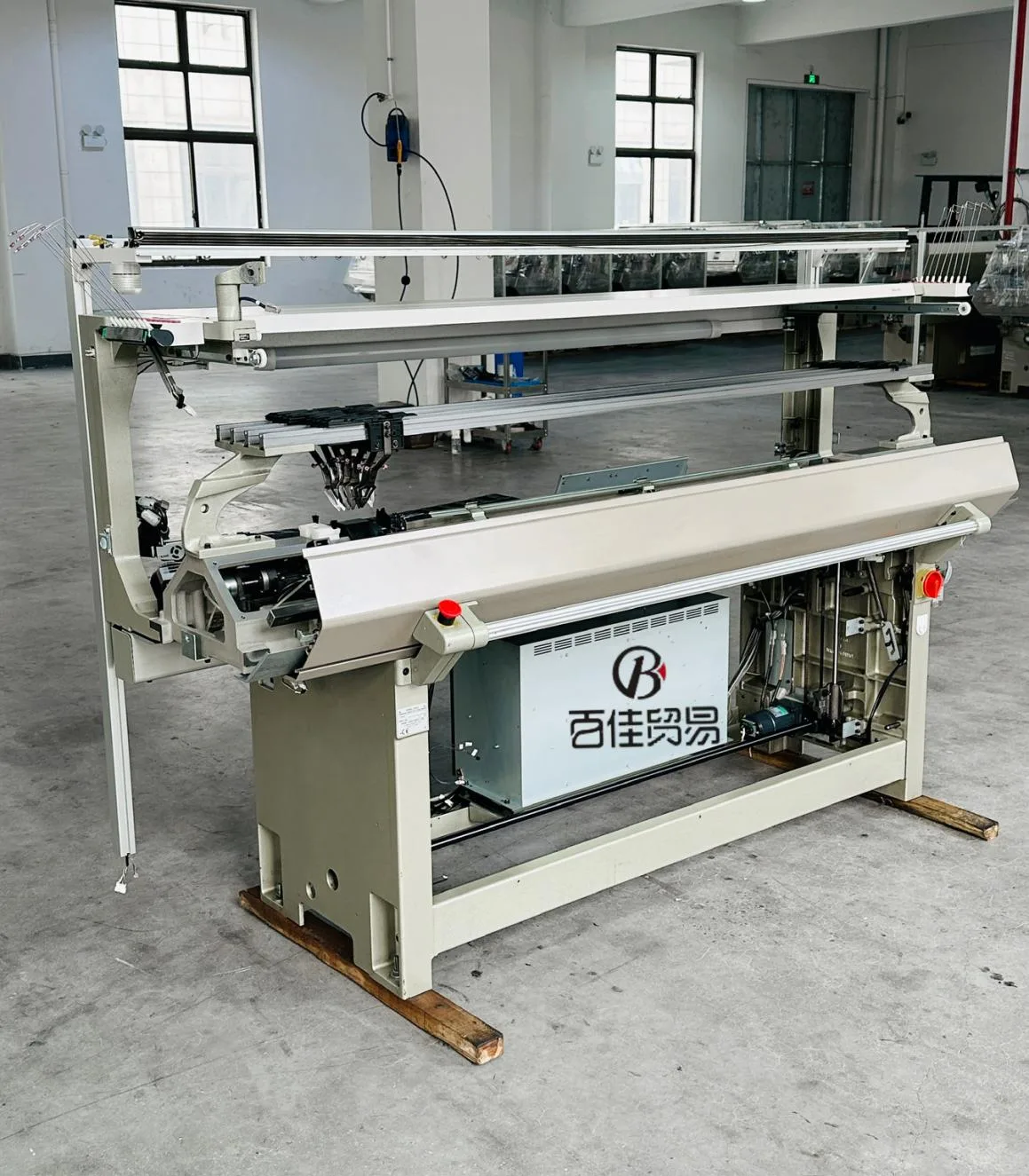
Rack thorough cleaning
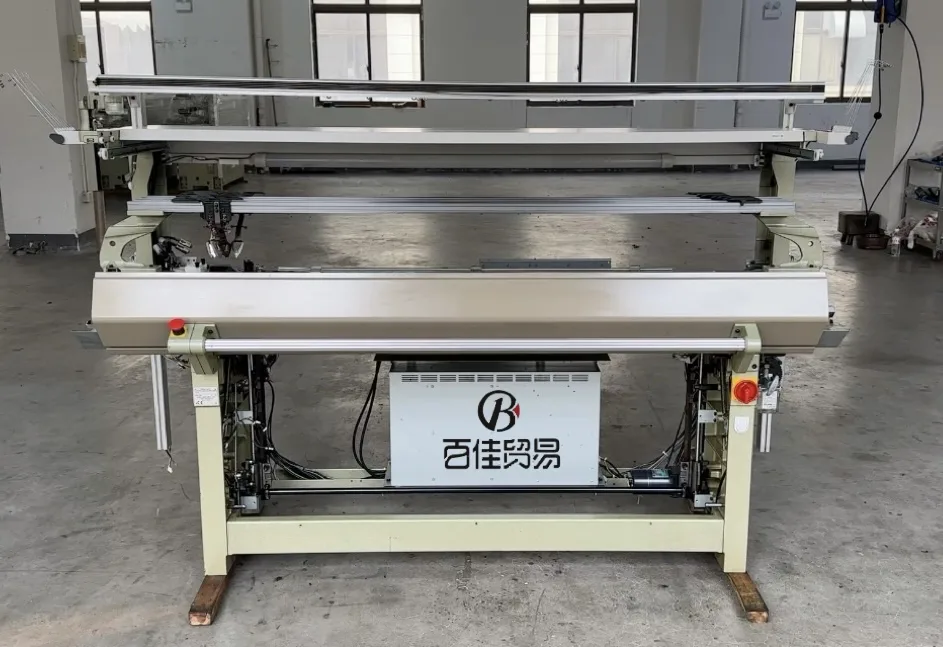
Thoroughly clean the rack to effectively remove surface oil and rust, restoring its clean appearance.

Parts replenished and perfected

Replace any missing parts in the machine to ensure its appearance is intact and no parts are missing.

Original factory paint spraying

The machine is painted with original factory color paint to ensure that its appearance matches the original factory color, thus enhancing its aesthetics.

Original logo replacement

Replacing the original factory markings enhances machine recognizability and further improves the overall aesthetics of the machine.

Phase 5: Assembly and Precision Debugging

Standard reverse assembly

Reverse assembly according to the part number, strictly control the tightening torque according to the original factory standard, and ensure that all parts are firmly connected.

Mechanical precision control

Mechanical leveling errors are controlled according to original factory standards to ensure the stability and accuracy of machine operation.

Trial weaving test verification

Plain and rib knit fabrics were tested to ensure that no missed stitches and uniform density were achieved, thus verifying the machine's knitting performance.

Phase 6: Final Inspection

Rigorous performance testing

The machine undergoes comprehensive and rigorous testing to ensure stable and trouble-free operation and meets usage requirements.

Appearance details inspection

Carefully inspect the machine's coating, markings, fasteners, etc., to ensure there are no scratches, no looseness, and the appearance is intact.

Test knitting video provided

Each machine comes with a separate trial weaving test video, allowing customers to quickly grasp the key points of use and maintenance after receiving the machine.

Packaging

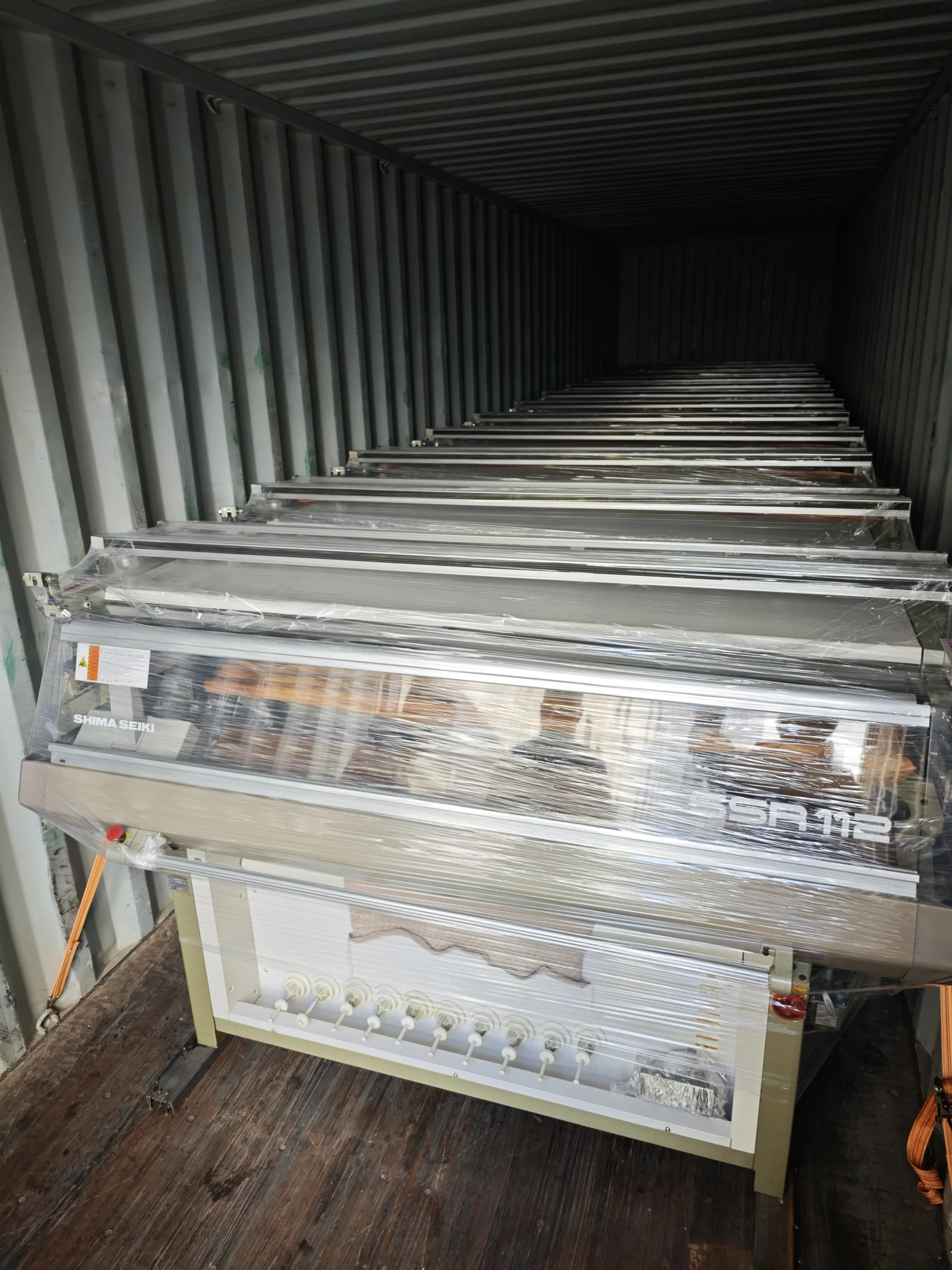
We perform moisture-proof and rust-proof treatments on the machines according to customer needs to ensure their normal operation.

Submit Your Sourcing Request